
Small Improvements That Make a Big Difference to Your Home’s Value
Small improvements can make a big difference to how your home is valued. Discover practical upgrades and maintenance tips that help protect property value.
3/6/20262 min read
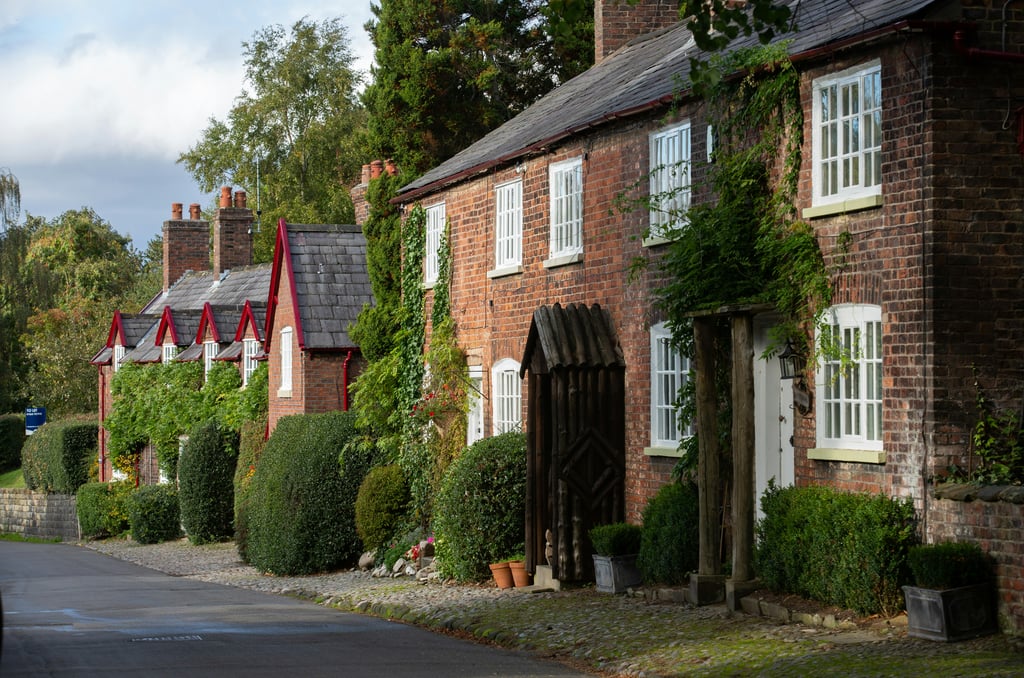
When people think about increasing the value of their home, they often imagine large renovations - new kitchens, extensions, or full refurbishments.
But in reality, some of the most noticeable improvements are much simpler.
Small upgrades and regular maintenance can have a surprisingly strong impact on how a property is perceived. Whether you’re preparing for a valuation, planning to sell in the future, or simply want to take pride in your home, these smaller improvements can make a meaningful difference.
Here are some of the areas that often have the biggest impact.
Keep On Top of Basic Maintenance
One of the first things surveyors and potential buyers notice is how well a property has been maintained.
Minor issues such as peeling paint, dripping taps, loose handles, or damaged seals can make a home appear neglected even if the problems themselves are small.
On the other hand, a well-maintained property immediately creates confidence that the home has been looked after.
Staying on top of small jobs such as repainting scuffed areas, resealing bathrooms, fixing minor leaks, and maintaining fixtures helps ensure the home always presents well.
Improve First Impressions (Kerb Appeal)
First impressions matter more than many homeowners realise.
Before anyone steps through the front door, they’ve already formed an opinion based on the outside of the property.
Simple improvements can dramatically improve kerb appeal, such as:
Refreshing the front door with new paint
Tidying the garden or front path
Cleaning windows and exterior surfaces
Replacing worn house numbers or lighting
These changes are relatively small but can make the property feel more welcoming and well cared for.
Refresh Walls and Surfaces
A fresh coat of paint remains one of the easiest ways to transform how a home feels.
Neutral colours tend to make spaces feel brighter, cleaner, and larger. Over time, walls naturally collect marks, scuffs, and fading, which can subtly make a home feel older than it is.
Refreshing walls, skirting boards, and door frames can instantly lift a room and make the space feel more modern without major work.
Improve Lighting
Lighting has a surprisingly strong influence on how a home is perceived.
Dark rooms often feel smaller and less inviting, while well-lit spaces appear more open and comfortable.
Simple changes such as upgrading bulbs, adding lamps, or using warmer lighting tones can help create a more pleasant atmosphere throughout the home.
Even replacing outdated light fixtures can make a room feel noticeably more current.
Keep Kitchens and Bathrooms Looking Fresh
Kitchens and bathrooms are two of the most closely inspected areas in any home.
While full renovations can be expensive, smaller improvements can still have a big visual impact. For example:
Replacing cabinet handles
Resealing around sinks or baths
Deep-cleaning grout
Updating taps or fixtures
These small upgrades can make a room feel newer without the cost of a full remodel.
Stay Organised With Home Improvements
Another factor that can quietly influence property value is how well the home’s improvements and maintenance are documented.
Keeping track of:
Appliance warranties
Service records
Renovation work
Maintenance history
helps demonstrate that a property has been properly cared for over time.
Many homeowners now use digital tools to keep this information organised and easily accessible, making it easier to stay on top of home improvements and upkeep.
Final Thought
Increasing your home’s value doesn’t always require major renovation projects. Often, the biggest difference comes from consistent care, small upgrades, and attention to detail.
By maintaining your home well and making thoughtful improvements over time, you help ensure it continues to look its best, both for everyday living and for any future valuations.
Sometimes, the smallest improvements are the ones that make the biggest impression.
Connect
Join our community and simplify home management today.
Support
Join Our Community Today
contact@orddu.co.uk
© 2025. All rights reserved.
Stay updated on home management tips and features.