
What to Do in the First 30 Days After Moving Into a New Home (A Simple Guide)
Moving into a new home? Here’s a simple 30-day guide covering what to set up, check, and organise to make things easier from day one.
5/15/20263 min read
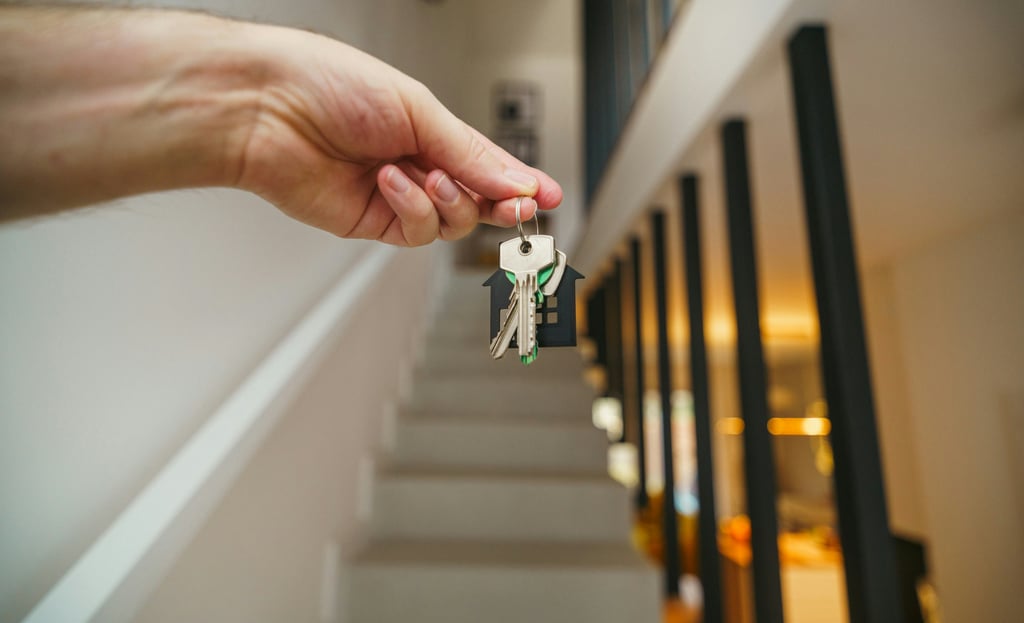
Moving into a new home is exciting.
Everything feels fresh, full of possibility, and slightly chaotic at the same time. Boxes everywhere. Decisions still to make. Things that technically “work”, but don’t yet feel settled.
In the middle of it all, it’s easy to focus on unpacking and forget that the first few weeks set the tone for how easy your home will be to manage long-term.
This guide breaks down what actually matters in the first 30 days after moving in without overwhelming you.
Week 1: Get the Essentials in Order
The first week is not about perfection. It’s about functionality.
Focus on the basics:
Making key rooms usable (kitchen, bathroom, bedroom)
Checking that heating, water, and electrics are working properly
Locating stop taps, fuse box, and meters
Unpacking only what you need day-to-day
At this stage, the goal is simple: make the home livable.
Everything else can wait.
Many people try to unpack everything too quickly, but that often leads to disorganisation that lingers for months.
Week 2: Understand What You’re Working With
Once the essentials are in place, it’s time to start understanding your home properly.
This is the week where you begin noticing how things actually function:
How long things take to clean
Which areas need more attention
What feels organised vs what doesn’t
What information you still need to find
This is also a good time to gather important documents:
Warranty details
Appliance manuals
Safety certificates
Any previous maintenance records
These often get lost in the move, but having them in one place will save time later.
This is exactly the kind of thing that becomes easier when everything is stored together — something we touched on in what data you should actually track about your home.
Week 3: Start Creating Simple Structure
By week three, the home starts to feel more familiar.
This is where structure begins to matter.
Instead of trying to do everything at once, start thinking in terms of:
Small recurring tasks
Weekly resets (like quick cleans or tidy-ups)
Simple maintenance checks
Nothing complex, just enough to stop things slipping.
This is also where many people naturally start slipping into reactive mode again if nothing is in place. Small tasks get noticed but not tracked, and before long, they get forgotten.
A simple system here makes a big difference - something we explored more deeply in why you should treat your home like a system, not a to-do list.
Week 4: Step Back and Look at the Bigger Picture
By the final week, things start to settle.
This is the moment to pause and look at how the home is actually functioning.
Ask yourself:
What feels easy to manage?
What keeps slipping?
What information do I still struggle to find?
Where are things already starting to build up?
This isn’t about fixing everything, it’s about noticing patterns early.
Most homes don’t become disorganised suddenly. It happens gradually when small things go untracked in the early stages.
The Mistake Most People Make After Moving
After moving in, most people fall into one of two traps:
1. Doing too much too quickly
Trying to set everything up perfectly in the first week, leading to burnout or half-finished systems.
2. Doing nothing structured at all
Unpacking slowly, but never setting up any system, which leads to long-term disorganisation.
The middle ground is what works best:
Basic setup first
Light structure early
Gradual organisation over time
Why the First 30 Days Matter So Much
The habits and systems you set early tend to stick.
If you rely purely on memory and ad-hoc organisation in the beginning, that often becomes the default long-term.
But if you introduce simple structure early, even basic task tracking or visibility everything becomes easier to manage later.
It’s not about being perfectly organised from day one.
It’s about avoiding unnecessary complexity from the start.
Keeping Everything in One Place
One of the biggest challenges after moving is fragmentation.
Information ends up everywhere:
Notes on your phone
Paper documents in drawers
Emails you forget about
Mental reminders that never get written down
Over time, this makes it harder to feel in control of your home.
Bringing everything into one place early can prevent that from happening especially for tasks, documents, and ongoing home responsibilities.
This is where having a simple system can quietly make a big difference in the background.
Final Thought
The first 30 days in a new home don’t need to be perfect.
But they do shape how easy your home will be to manage later.
If you focus on:
Getting the essentials working
Understanding your space
Creating light structure
Avoiding unnecessary complexity
you’ll set yourself up for a home that feels easier to run in the long term.
And often, that’s what makes the biggest difference.
👉 Want to keep your home organised from day one?
Join the Orddu waiting list and be one of the first to manage everything in one simple, connected system.
Connect
Join our community and simplify home management today.
Support
Join Our Community Today
contact@orddu.co.uk
© 2025. All rights reserved.
Stay updated on home management tips and features.